Marigalante Sinks: Unveiling the Secrets of Puerto Vallarta's Iconic Pirate Ship
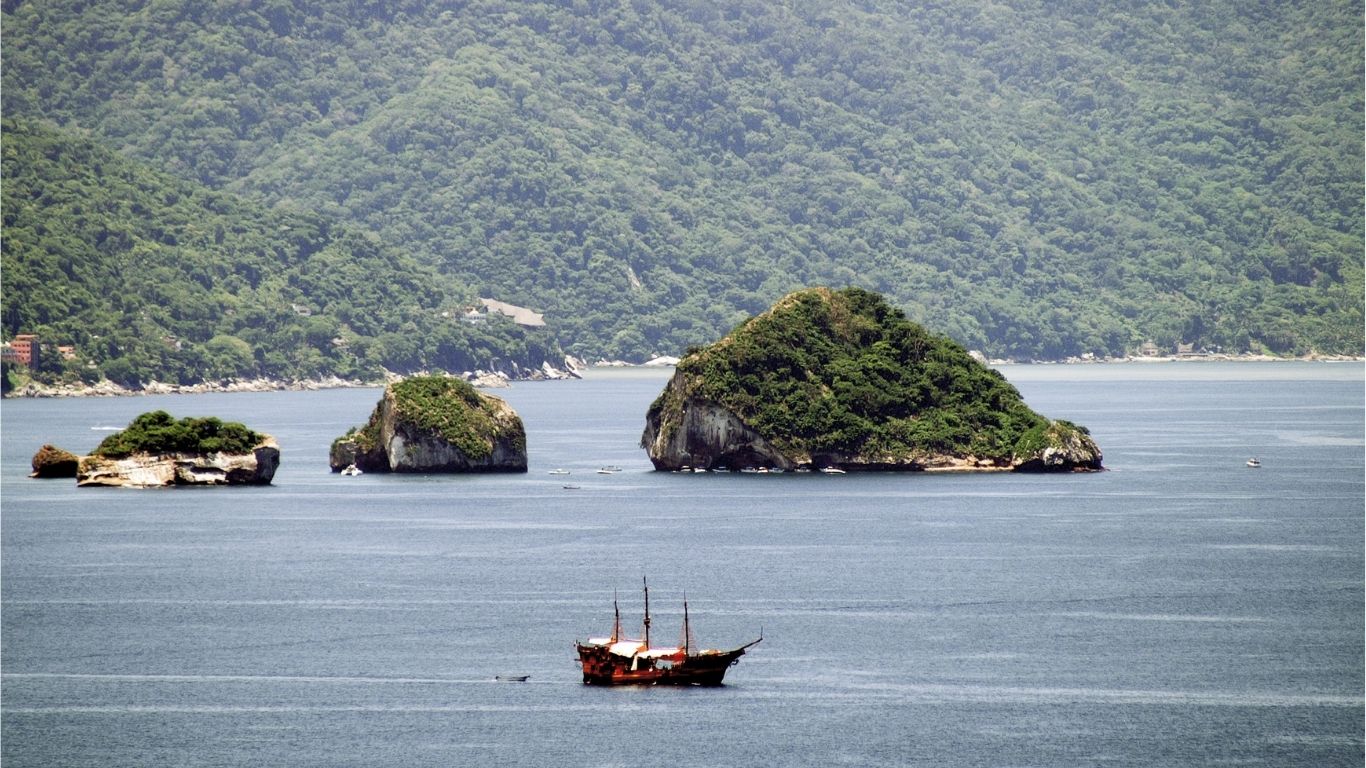
The tranquil turquoise waters of Banderas Bay in Puerto Vallarta are renowned for their vibrant marine life, breathtaking sunsets, and the unmistakable sight of a grand pirate galleon sailing gracefully on the horizon. For decades, this majestic vessel, the Marigalante, was more than just a boat; it was an institution, a beloved character in the city's tourism narrative, and a symbol of adventure. So, when news broke that this iconic boat sinks, the collective gasp of residents and visitors echoed across the bay. While the image of the Marigalante listing and slowly succumbing to the waves was undoubtedly shocking, the story behind its unexpected demise is far more nuanced than initial impressions suggest. Let's delve into the secrets of this unforgettable event and explore the legacy of Puerto Vallarta's famous pirate ship.
The Undramatic Truth: Unveiling the Cause Behind the Sinking
In an age saturated with dramatic headlines, it's easy to jump to conclusions, envisioning a colossal storm, a spectacular collision, or even a daring act of piracy as the reason an iconic boat sinks. However, the truth behind the Marigalante's unfortunate end was far more prosaic, yet equally impactful. Contrary to widespread speculation, the sinking was neither an act of nature's wrath nor a catastrophic accident involving another vessel. Instead, it was a quiet, insidious technical failure that led to its downfall.
Investigations revealed that the primary culprit was a failure of the ship's bilge pumps. These vital pieces of equipment are designed to remove accumulating water from the hull, keeping a vessel buoyant and stable. When the Marigalante began taking on significant amounts of water at midday, the crew's heroic efforts to implement temporary repairs proved futile. The continuous ingress of water, exacerbated by reports of breakdowns in the engine room and electrical systems, led to critical structural damage and ultimately, the vessel's instability. Authorities quickly confirmed that the incident was unrelated to any recent weather events, such as Tropical Storm Raymond, which had passed through the region. This revelation underscored the reality that even the most robust and beloved vessels require constant vigilance and impeccable maintenance to defy the relentless forces of the sea.
A Story of Relief: No Casualties, No Tourists Harmed
Amidst the visual spectacle of the Marigalante sinking, one fact provided immense relief and served as a testament to diligent safety protocols: there were no casualties, and not a single tourist was affected. This critical detail transforms a potential tragedy into a fortunate accident. At the time of the incident, the Marigalante was not engaged in its popular dinner cruises or any tourist activities. Only a dedicated technical crew, numbering around nine individuals, was on board, conducting routine checks or preparations.
Their swift and coordinated evacuation was a direct result of the exemplary emergency response efforts by multiple agencies. The Mexican Navy, alongside the Puerto Vallarta Public Safety, Fire, and Lifeguards Department, sprang into action with remarkable efficiency. Their seamless cooperation ensured that every crew member was safely brought ashore, unharmed. Jalisco Governor Pablo Lemus Navarro quickly confirmed the positive outcome on social media, assuaging fears and reassuring the public. The absence of injuries was a profound comfort, reinforcing the importance of rigorous maritime safety standards and well-drilled emergency procedures, demonstrating that even when an iconic boat sinks due to technical failure, no casualties are a possibility with proper planning.
More Than Just a Ship: The Enduring Legacy of the Marigalante
The Marigalante was more than a prop for a pirate show; it was a floating piece of history and a cultural icon. Many might have assumed such a grand galleon hailed from European shipyards, but one of its fascinating secrets is its proud Mexican heritage. This magnificent vessel was meticulously constructed between 1980 and 1987 in the port of Alvarado, Veracruz, a testament to Mexican craftsmanship. The Civil Association "Mar, Hombre y Paz" (Sea, Man and Peace) oversaw its creation, utilizing over 30 types of tropical wood, a choice that spoke to both local resources and traditional shipbuilding techniques.
Conceived as an authentic replica of the Santa María, one of Christopher Columbus's famed caravels, the Marigalante was officially inaugurated in 1992, coinciding with the fifth centenary of the discovery of America. Before finding its permanent home as Puerto Vallarta's premier pirate ship attraction, it embarked on a journey that connected it deeply with maritime history. In Banderas Bay, it transcended its historical replica status, becoming the stage for unforgettable themed dinner cruises, vibrant shows, and romantic sunset tours. For over three decades, its distinctive silhouette against the setting sun was an essential part of the Puerto Vallarta experience, etching itself into the memories of countless tourists and becoming a beloved symbol for locals. Its legacy is one of adventure, joy, and a unique contribution to the city's vibrant tourism landscape.
Lessons from the Waves: Maritime Safety and the Future of Iconic Vessels
The sinking of the Marigalante serves as a poignant reminder of the relentless challenges inherent in maritime operations, particularly for older, wooden vessels. While the incident was primarily attributed to technical failures, it highlights the critical importance of continuous, rigorous maintenance, especially for aging fleets that carry significant historical and sentimental value. Maintaining a ship constructed with natural materials like tropical wood in a saltwater environment demands meticulous care, constant inspections, and significant investment to counteract the corrosive effects of the sea and the inevitable wear and tear of time.
This event also brings into focus broader discussions about maritime safety regulations and the responsibility of operators to uphold the highest standards. For tourists seeking unique experiences, such as themed boat excursions, it underscores the value of choosing reputable operators known for their commitment to safety and regular vessel maintenance. While unfortunate, the Marigalante's fate is not unique; other iconic boat sinks stories, like that of Brisbane's Kookaburra Queen paddleboat, reveal similar struggles with maintaining historic vessels after decades of service. These incidents collectively emphasize the need for proactive asset management, technological upgrades where possible, and robust emergency preparedness to ensure the longevity and safety of such cherished attractions.
The Marigalante may have finally succumbed to the sea, but its spirit of adventure and its place in the hearts of those who experienced it will undoubtedly endure. Puerto Vallarta, a city known for its resilience and hospitality, will continue to thrive, adapting and evolving its offerings. While the sight of the pirate ship may be gone, the memories it created will sail on, reminding us of the magic it brought to Banderas Bay and the timeless allure of maritime tales.