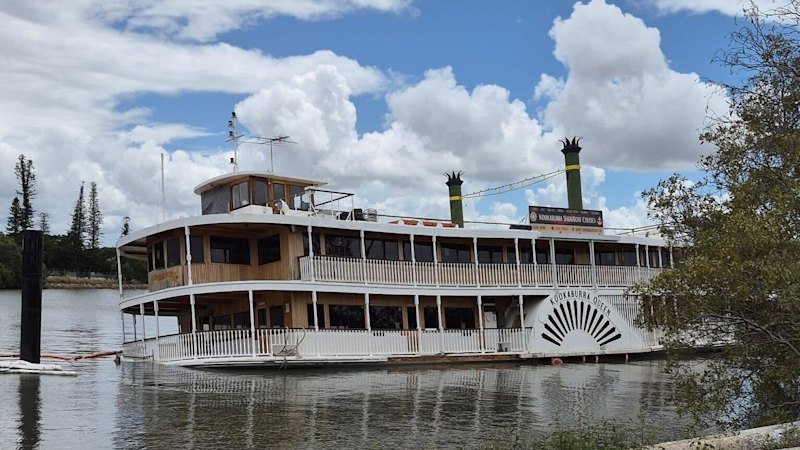
Brisbane's Beloved Kookaburra Queen Sinks After Decades: An Uncertain Future
Brisbane's serene river landscape has been irrevocably altered by a recent event that has sent ripples of sadness through the community: the sinking of the Kookaburra Queen paddleboat. For four decades, this magnificent vessel graced the waters of the Brisbane River, a floating landmark synonymous with celebrations, romantic dinners, and unparalleled city views. Now, submerged and silent, its future, much like the murky riverbed it rests upon, remains deeply uncertain. The sight of an iconic boat sinks is always a poignant moment, and for Brisbane, it marks the potential end of an era.
The Kookaburra Queen was more than just a boat; it was an integral part of Brisbane's social fabric. Generations of residents and visitors shared special moments aboard its decks, from graduation parties and wedding receptions to leisurely Sunday lunches with a backdrop of the city skyline. Its distinctive paddlewheel, often seen churning rhythmically against the current, was a comforting constant in an ever-evolving city. The immediate aftermath of its sinking has left many pondering the fate of such a cherished piece of local history, and what it means for Brisbane's vibrant river culture.
When History Goes Under: The Broader Story of Iconic Boat Sinkings
While the Kookaburra Queen’s incident is a recent heartbreak for Brisbane, it’s a stark reminder that even the most beloved and seemingly invincible vessels can face an unexpected end. The maritime world, with its inherent challenges of weather, water, and wear, occasionally delivers such crushing news. Just as Brisbane mourns its paddleboat, communities elsewhere have experienced similar losses. These events highlight the delicate balance between maintaining the charm of aged vessels and ensuring their structural integrity and safety. The phrase "iconic boat sinks" unfortunately resonates across various coastal and river cities, each with its own story of loss and resilience.
The Marigalante: A Case Study in Technical Failure, Not Tragedy
In a parallel, yet distinct, narrative that underscores the unpredictable nature of maritime life, the famous pirate ship Marigalante of Puerto Vallarta also met an untimely end. While the image of a pirate ship sinking might conjure dramatic tales of storms and swashbuckling battles, the reality behind the Marigalante's demise was far more prosaic, yet equally impactful. This iconic boat sinks story, unlike some others, thankfully concluded without tragedy.
The sinking of the Marigalante was not the result of a spectacular collision or a furious tropical storm. Instead, it was attributed to a critical technical failure: a malfunction of its bilge pumps. At midday, the ship began taking on significant amounts of water. Despite the valiant efforts of the crew to implement temporary repairs, the structural damage proved overwhelming, leading to the vessel's instability. Reports also cited breakdowns in the engine room and electrical systems, which may have further accelerated the flooding process. It’s a powerful testament to the fact that even seemingly minor technical failures can have catastrophic consequences for large vessels.
One of the most reassuring aspects of the Marigalante incident was the absence of casualties. There were no injuries, and crucially, no tourists were aboard at the time of the sinking. The technical crew, numbering around nine individuals, were successfully evacuated thanks to the swift and well-coordinated rescue efforts of maritime and port authorities, including the Mexican Navy and local public safety departments. This prompt response ensured that while an iconic ship was lost, no lives were. Jalisco Governor Pablo Lemus Navarro confirmed the safe evacuation, providing a significant sense of relief to the community.
The Marigalante itself was a vessel steeped in unique history and craftsmanship. Contrary to some assumptions, this impressive ship, which became a celebrated fixture against Puerto Vallarta's stunning sunsets for over 30 years, was not of European origin. It was meticulously constructed in the port of Alvarado, Veracruz, Mexico, between 1980 and 1987. The Civil Association "Mar, Hombre y Paz" (Sea, Man and Peace) oversaw its creation, utilizing over 30 types of tropical wood. Conceived as an authentic replica of the Santa María, one of Christopher Columbus's caravels, it was officially inaugurated in 1992 to commemorate the fifth centenary of the discovery of America, underscoring its historical and cultural significance before it ever became a pirate ship attraction in Banderas Bay.
Lessons from the Deep: Preserving Maritime Heritage
The sinking of vessels like the Kookaburra Queen and the Marigalante offers invaluable, albeit somber, lessons for owners, operators, and enthusiasts of maritime heritage. These incidents underscore several critical points:
- Vigilant Maintenance is Paramount: For older vessels, routine and comprehensive maintenance checks are not merely regulatory requirements but existential necessities. Bilge pumps, hull integrity, engine performance, and electrical systems must be meticulously inspected and serviced to prevent the kind of failures that can doom a ship. The charming patina of age often hides complex engineering challenges that demand constant attention.
- Robust Safety Protocols: While the sinking of an
iconic boat sinks is regrettable, the successful evacuation of the Marigalante's crew highlights the absolute importance of well-rehearsed emergency procedures, crew training, and coordination with local authorities. Prioritizing human safety above all else is the ultimate goal in any maritime incident. - The Dual Nature of Heritage Vessels: Ships like the Kookaburra Queen and the Marigalante offer a unique blend of historical charm and modern operational challenges. Their construction materials and original designs may not always align with contemporary engineering practices, requiring specialized expertise and greater investment to keep them afloat and compliant with safety standards.
- Community and Economic Impact: These vessels are often cornerstones of local tourism and identity. Their loss can have significant economic repercussions, affecting related businesses, employment, and the overall appeal of a destination. Moreover, the emotional void left by the absence of a beloved landmark is immeasurable.
The Emotional Wake and Future Horizons
For Brisbane, the Kookaburra Queen's "uncertain future" is a heavy burden. The immediate questions revolve around salvage operations: the complexity of raising a vessel of its size, the environmental considerations, and the sheer financial cost. Even if successfully salvaged, the decision between costly restoration and inevitable replacement will be fraught with emotion and practical considerations. Can a restored Kookaburra Queen ever truly recapture its former glory, or would it be a new vessel bearing an old name?
The community's response to such events often reveals the depth of affection held for these mechanical marvels. From online tributes to discussions about potential crowdfunding, the desire to see a cherished part of history return is powerful. Whether it's the gentle elegance of a paddleboat or the adventurous spirit of a pirate ship, these vessels become more than just modes of transport or tourist attractions; they embody stories, memories, and a tangible connection to a city's soul. As the waters settle over the Kookaburra Queen, Brisbane, much like Puerto Vallarta before it, faces the task of navigating not just the physical recovery but also the emotional and cultural void left by a beloved ship that no longer sails.
The stories of the Kookaburra Queen and the Marigalante, though geographically distant, echo a universal truth: the sea is a demanding mistress, and even the most iconic creations of human hands are ultimately subject to its will. Yet, even when an